Borgo di Pietrafitta
Loc. Pietrafitta, 46
53011 Castellina in Chianti (Si), Italia

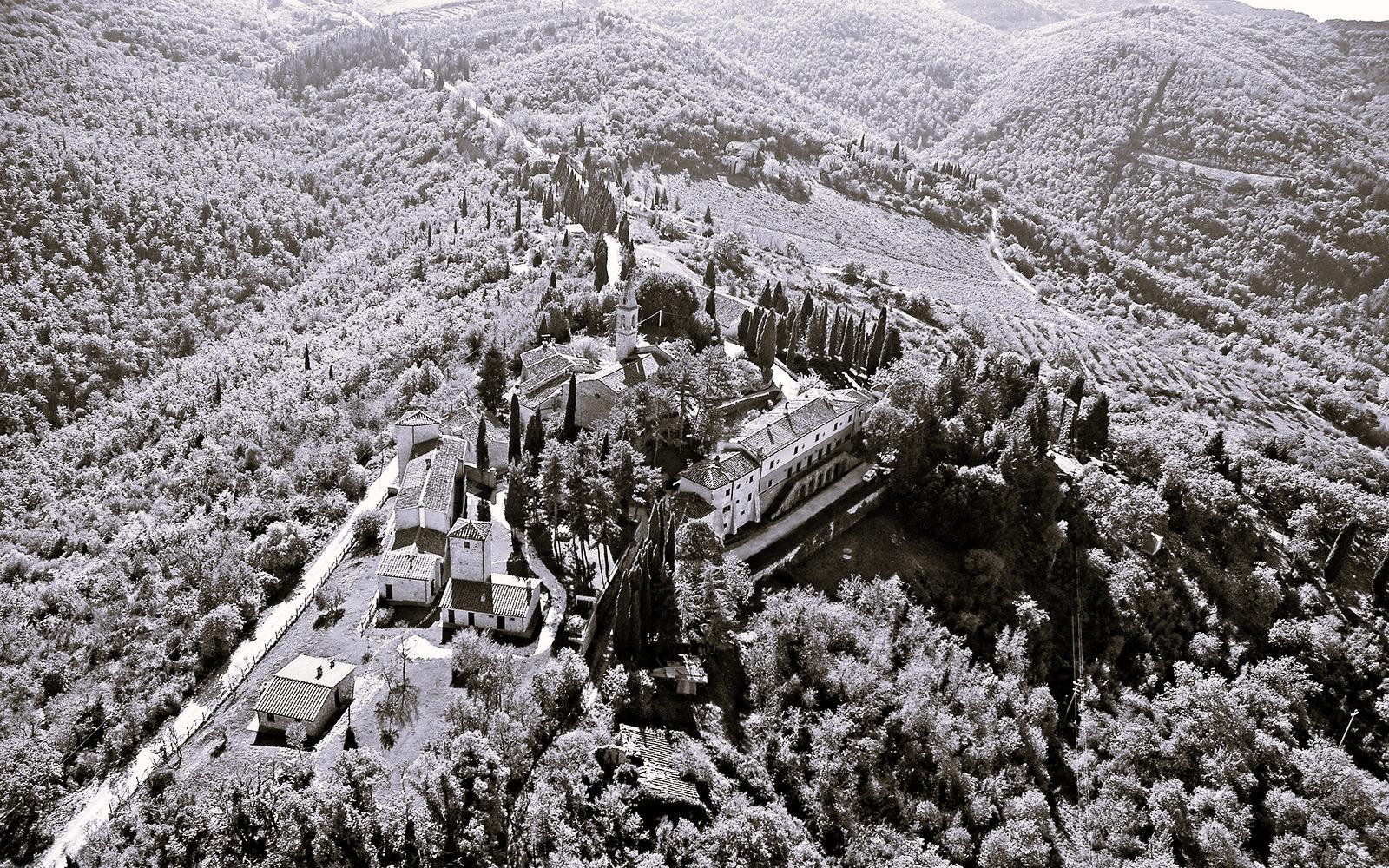
Like other high ground areas, it had both strategic and religious relevance - the Etruscans built an arxto protect the village, while the augurs interpreted the signs from the gods by observing the flight of birds. During this time of prosperity for the Etruscans, Pietrafitta thrived on agriculture and trade. However, in the fourth century BC, the wars between the Etruscans, Romans and Celts brought devastation to the village, as shown by the discovery of a headless skeleton.
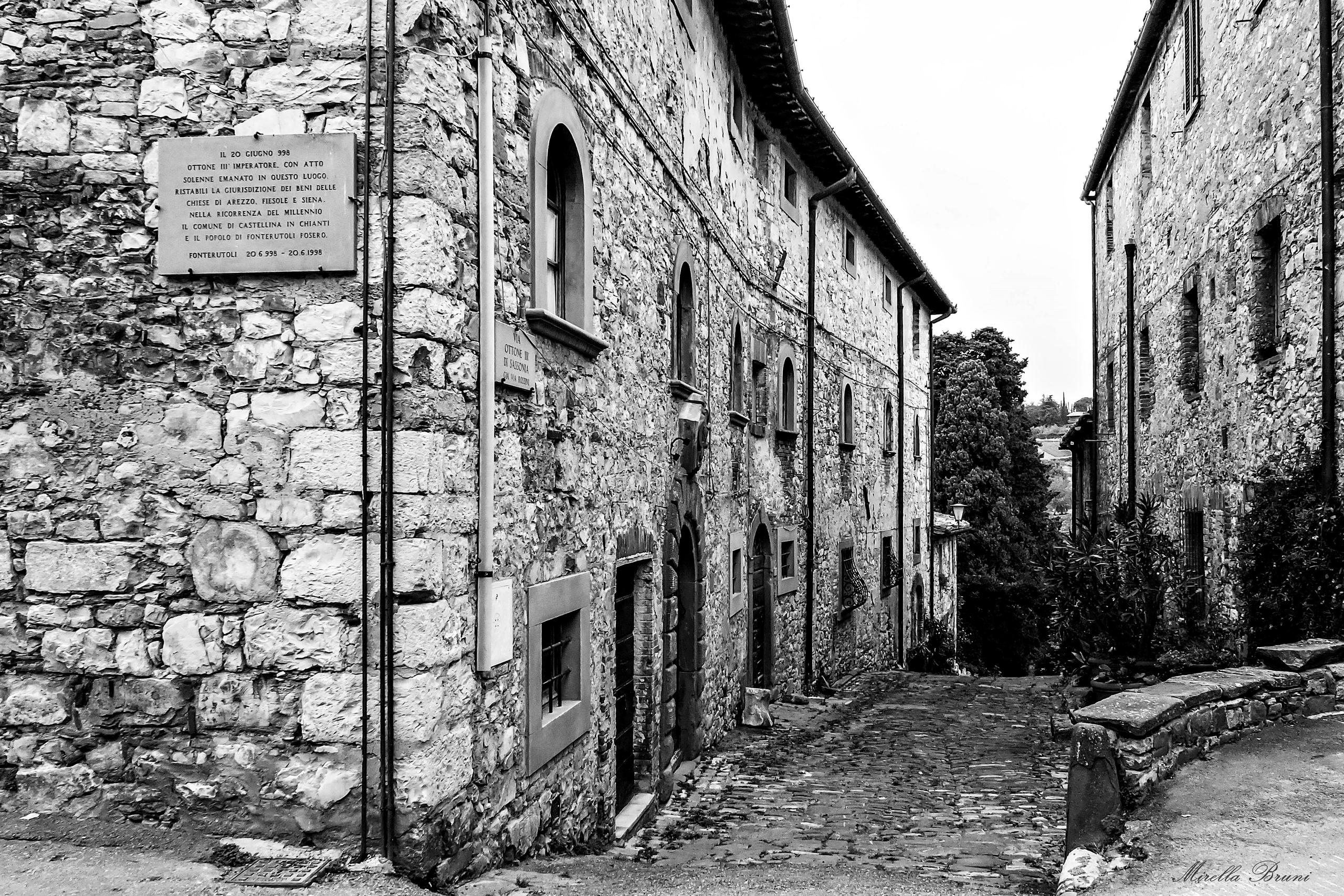
After the Roman conquest, Pietrafitta remained a rural village. During the conflict between Marius and Sulla (1st century BC) the land was confiscated and redistributed. With the imperial age, merchants and Roman legions travelling along the Via Cassia brought the first Christian missionaries. Curiously, popular beliefs persisted like the sprite Aplu, said to disturb hunters.
After the barbarian invasions, Pietrafitta lost importance. With the arrival of the Franks in the 800s, the village fell under the rule of Duke Aldelric and feudalism took hold. In the 12th century, during the conflict between Florence and Siena Emperor Frederick Barbarossa assigned Pietrafitta to the abbey of Passignano, but the rivalry continued. The village was fortified and in 1193 the Florentines established a garrison there, indicating the area's strategic importance.
In the early 11th century, Pietrafitta was a borderland between Florence and Siena. The wars between the two cities culminated in a symbolic dispute resolved with a rooster contest. The Florentines' black rooster crowed before Siena's, resulting in the Republic of Florence establishing its dominance over much of Chianti. This event gave the black rooster the role of symbol of the Chianti League.
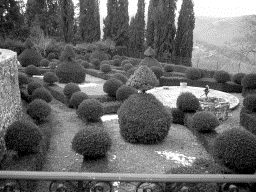
Already farmed by the Etruscans, the Siena hills continued to produce wine and oil, very popular among the Romans and later the Florentines. Tuscany's winegrowing flourished again in the Middle Ages thanks to the urban bourgeoisie, which established a large number of taverns. Vinsanto, a famous sweet wine, was created as a tribute to the Greek monks attending the Council of Florence. At the same time, oil became a staple in the Mediterranean diet and its trade was regulated by strict laws. This is when Borgo di Pietrafitta planted the first seeds of what would later become a successful farming company
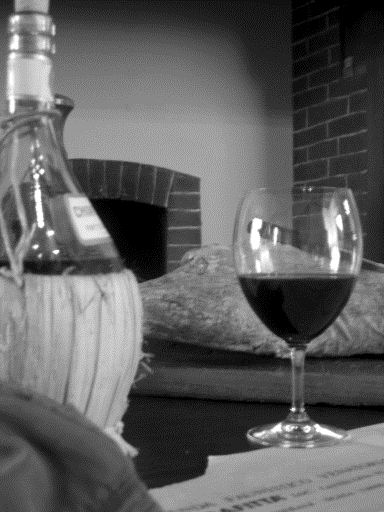
In the sixteenth century, Pietrafitta became an aristocratic estate with a mansion and lands divided between the Uguccioni and Da Cepparello families. The different properties were unified in 1889. With the decline of sharecropping and traditional viticulture, the estate was used by entrepreneurs as a place to receive and entertain guests.
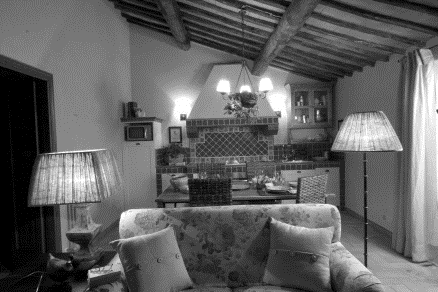
Durante l'occupazione nazista del 1943, Pietrafitta ospitò un comando tedesco e un ospedale da campo. La vita dei contadini rimase semplice, scandita dalla sussistenza e dal ciclo delle stagioni. Dopo la guerra, nonostante il “miracolo economico” degli anni ’50, la vita rurale a Pietrafitta cambiò poco. Il borgo rimase un centro agricolo fino agli anni ’80, quando la riserva di caccia fu chiusa per legge e restarono solo le vigne e gli uliveti.
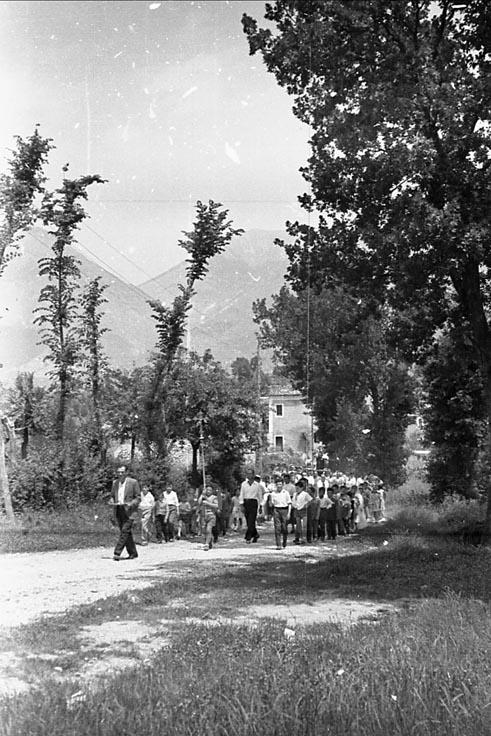
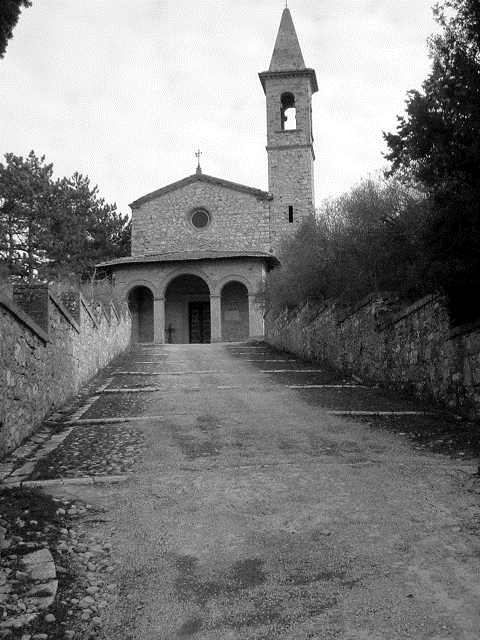
Dating back to the medieval period, the small church of San Jacopo underwent multiple alterations and was largely destroyed during World War II. Rebuilt by the residents, the church reflects the resilience of the Pietrafitta community.
During the Nazi occupation of 1943, Pietrafitta hosted a German command and a field hospital. The life of the peasants remained simple, marked by subsistence and the changing of the seasons. After the war, despite the "economic miracle" of the 1950s, rural life in Pietrafitta changed but little. The village remained an agricultural center until the 1980s, when the hunting reserve was closed by law and only the vineyards and olive groves remained.
Today Borgo di Pietrafitta is a fascinating example of how tradition and history can combine with modernity to create a unique place, a symbol of Tuscany's beauty and culture. Located in the heart of Chianti, the village still preserves its original architectural features - ancient stone houses, vineyards stretching as far as the eye can see, centuries-old olive trees and paths winding through the iconic hilly landscape of the Siena countryside.
Though renovated and converted into a luxury resort, the village still retains all of the authenticity and charm of Tuscany's rural tradition. The old houses have been renovated and turned into elegant apartments and villas, furnished in the traditional Tuscan style but with every modern comfort. Our facilities also include spaces for events, tastings and guided tours of our cellars where visitors can learn about the history of Chianti Classico and taste the wine and oil produced with the grapes and olives grown on the resort's land.
If you wish to dive into Tuscany's peaceful landscape and enjoy an authentic experience, Pietrafitta is the perfect combination of history, culture, nature and hospitality.


